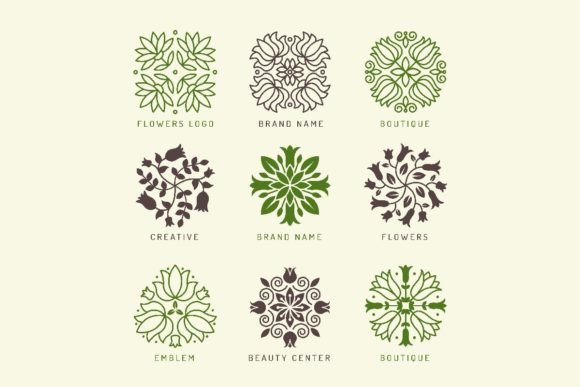
The Art and Meaning of the Floral Logo: A Guide to Botanical Branding
In a world saturated with digital symbols and abstract shapes, a simple, elegant floral logo can feel like a breath of fresh air. From the delicate blossom on a spa’s website to the stylized leaf gracing a cosmetic bottle, botanical imagery is a powerful and enduring force in visual identity. But what exactly is a floral logo, and why does it hold such appeal? This article explores the world of floral logos—from their core elements to their profound significance—and explains how these natural designs communicate values, evoke emotions, and build lasting connections in modern business and life.
What is a Floral Logo? Defining Botanical Stylization
A floral logo is a logotype or symbol that incorporates elements derived from plants, such as flowers, leaves, branches, and organic shapes. The key term here is stylized. Unlike a detailed botanical illustration, a logo uses simplified, abstracted, or artistic representations of these natural forms. This process transforms a complex rose or a sprawling vine into a clean, memorable, and scalable graphic symbol. Common elements include:
- Leaves: Singular or clustered, often representing growth, nature, and vitality.
- Flowers: Blossoms, petals, and buds symbolizing beauty, femininity, care, and blooming potential.
- Branches & Twigs: Suggesting connection, structure, and organic networks.
- Organic Shapes: Fluid lines, curves, and forms that mimic natural growth patterns.
These elements are arranged not as a literal scene, but as a decorative symbol designed for recognition. Often delivered as a vector logotype (in formats like EPS, as mentioned), this means the design is made from mathematical paths, allowing it to be scaled infinitely without losing quality—perfect for everything from a tiny mobile icon to a large storefront sign.
The Purpose and Significance: Why Choose a Botanical Logo?
The choice of a floral or botanical logo is rarely arbitrary. It is a deliberate communication strategy. Its primary purpose is to visually convey the core values and essence of a brand before a single word is read.
Connecting to Universal Themes
Flora is deeply embedded in human culture and psychology. A floral logo taps into universal associations:
- Growth & Renewal: Perfect for startups, wellness brands, educational platforms, or any business focused on development.
- Natural & Organic: Essential for companies in eco-friendly products, clean beauty, sustainable fashion, or organic food.
- Calm & Wellness: The immediate association for spas, yoga studios, mental health apps, and cosmetic lines promoting self-care.
- Beauty & Elegance: Leveraged by luxury brands, wedding planners, artisans, and designers.
- Care & Nurturing: Used by healthcare providers, childcare services, and community-focused organizations.
Building Emotional Resonance
Beyond rational associations, floral logos work on an emotional level. They soften a corporate image, add a touch of humanity, and create a sense of warmth and approachability. In a transactional digital landscape, this emotional hook can be the difference between a fleeting click and a loyal customer.
Floral Logos in Modern Life: Practical Relevance Across Industries
The application of floral logos extends far beyond a single niche. They are versatile tools that fit seamlessly into various aspects of modern life and work.
Wellness, Spa, and Cosmetic Industries
This is perhaps the most intuitive application. A floral spa logo or a cosmetic vector logotype acts as a silent promise. It suggests treatments derived from nature, a serene environment, and products that are gentle and pure. The logo becomes a prelude to the experience itself.
Business and Entrepreneurship
For businesses not directly related to nature, a botanical logo can still be strategic. A tech company focused on “growth hacking” might use a stylized leaf. A consultancy helping clients “bloom” might use an abstract flower. It allows non-nature-based businesses to metaphorically align with positive, organic concepts.
Education and Creativity
Educational institutions, especially those with arts or environmental programs, use floral logos to symbolize learning, blossoming knowledge, and creative flourishing. For artists and makers, a floral icon can represent the organic, hands-on nature of their craft.
Daily Activities and Digital Presence
On a personal level, we interact with floral logos daily. They appear on the apps we use for meditation (a calm leaf icon), on the packaging of our favorite tea (a decorative branch), and on the websites of local farmers' markets. They decorate blogs, social media profiles, and personal projects, bringing a touch of personalized, gentle aesthetics to our digital routines.
Crafting an Effective Floral Logo: Beyond Just a Pretty Picture
A successful floral logo is not merely a decorative clip-art. It requires thoughtful design to function effectively.
Simplicity and Memorability
The stylization process is crucial. The logo must be reduced to its essential forms so it is recognizable at a glance and memorable over time. Overly detailed flowers fail as functional logos.
Versatility and Scalability
As a vector illustration, it must work in all contexts: black and white, single color, full color, on dark backgrounds, and on tiny favicons for browsers. The provided EPS file format ensures professionals can edit and scale it without limits.
Alignment with Brand Voice
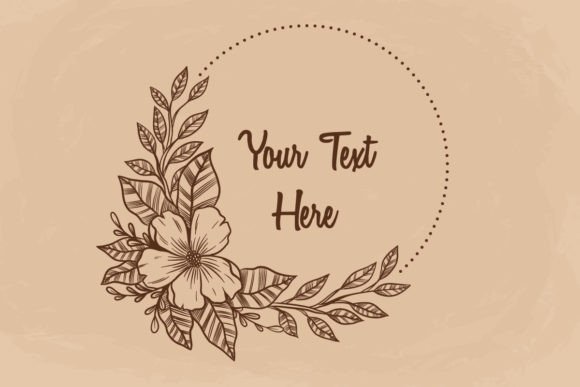
The style of the botanical element must match the brand’s voice. A geometric, minimalist leaf conveys modernism and precision. A soft, hand-drawn blossom conveys craft and tenderness. The same element, styled differently, speaks a completely different language.
Common Misunderstandings and Assumptions
Several misconceptions surround floral logos. Clarifying these helps in making informed design choices.
- "It’s Only for Feminine or ‘Soft’ Brands." While often used by brands targeting women, botanical elements are fundamentally about nature, not gender. Strong, geometric branches or stark, single leaves can convey resilience and structure for any brand.
- "It Looks Unprofessional or Too Casual." A well-designed, stylized floral logo can be exceptionally sophisticated. Consider the iconic logos of high-end botanical gardens or luxury organic retailers—their elegance is undeniable.
- "It’s Just a Trend." The use of natural motifs in symbolism is ancient and enduring. While design styles evolve, the human connection to flora is timeless. A floral logo is a classic choice, not a fleeting trend.
- "You Need a Literal Representation of Your Product." A spa doesn’t need a logo of a massage bed; a lavender sprig can more effectively communicate serenity and natural care. The logo should represent the feeling and values, not the literal service.
Building a Broader Understanding: The Floral Logo as Cultural Symbol
To fully appreciate the floral logo, we must see it as part of a larger tradition of using nature in art and communication. From medieval heraldry featuring roses and lilies to the Art Nouveau movement’s obsession with flowing botanicals, plants have always been a rich source for symbols. Today’s floral organic icon is a digital-age continuation of this practice. It serves as a bridge between our technological present and our innate affinity for the natural world.
In practical terms, when you receive a ZIP folder containing a floral logo template in EPS format, you are not just getting a graphic file. You are acquiring a versatile, meaningful symbol element template—a foundational tool for building a brand identity that speaks of growth, care, beauty, and organic connection. Whether you are a business owner, a designer, or simply someone curious about visual language, understanding the depth behind these elegant shapes empowers you to see—and use—them with greater insight and purpose.
Ultimately, a floral logo is more than decoration. It is a silent ambassador, telling a story of natural inspiration, human-centered values, and a desire to bring a touch of organic harmony into our commercial and personal spaces. By choosing and designing these symbols thoughtfully, we cultivate brands that are not only visually appealing but are deeply rooted in meaning.