The Resonant Harmony of Tradition: The Strategic Relevance of Traditional Asian Colorful Floral Patterns
In an era dominated by digital minimalism and algorithmic aesthetics, a counter-movement is flourishing. A vibrant, intricate, and deeply symbolic visual language is reclaiming space across creative and commercial landscapes. This is the world of Traditional Asian Colorful Floral Patterns. Far from being merely decorative motifs, these designs represent a complex fusion of art, philosophy, and cultural narrative that is finding unprecedented relevance for modern professionals, brands, and creators.
Defining the Art Form: Beyond Decoration
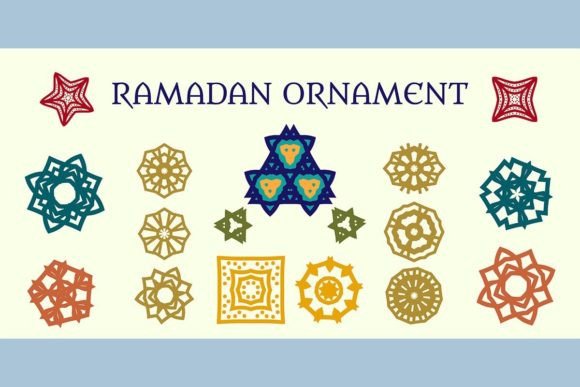
Traditional Asian Colorful Floral Patterns are systematic arrangements of botanical elements—such as peonies, lotus, chrysanthemums, cherry blossoms, and plum flowers—rendered in vivid, symbolic color palettes. Each component carries meaning: the lotus denotes purity and enlightenment, the peony symbolizes prosperity and honor, and the cherry blossom embodies transience and beauty. The patterns are not random; they follow compositional principles of balance, rhythm, and harmony, often filling a defined space with repeating, interlocking, or radiating motifs. When these principles are extended into a circular, focused format, they converge with the concept of the mandala—a spiritual and ritual symbol representing the universe. Similarly, the geometric precision and infinity of pattern found in Islamic design, though distinct in its avoidance of figurative representation, shares a foundational ethos with these floral arts: both seek to express cosmic order, beauty, and devotion through meticulous, repetitive design. The intersection where these traditions meet—in their shared love of color, intricate detail, and symbolic depth—is a potent creative frontier.
A Convergence of Cultural Motifs and Modern Applications
Today, we see these patterns not confined to silk brocade or ceremonial pottery but integrated into user interface backgrounds, branding collateral, textile design for global fashion houses, and even architectural elements. This adaptation speaks to a broader trend: the search for authenticity and narrative depth in a saturated market. Consumers and audiences are increasingly drawn to designs that tell a story, that connect to heritage and craftsmanship. The intricate Traditional Asian Colorful Floral Pattern offers a visually rich story of growth, renewal, and balance, which brands leverage to convey values beyond mere functionality.
The Market and Creative Trends Driving Adoption
The resurgence of these patterns aligns with several parallel shifts in the global creative and business ecosystems.
1. The Demand for Meaningful Differentiation
In branding and marketing, differentiation is paramount. As generic stock imagery and bland corporate templates fail to engage, organizations seek visual identities with cultural capital and emotional resonance. A tech startup aiming to project values of growth and harmony might use a simplified floral mandala in its app iconography. A wellness brand can employ lotus patterns in its packaging to instantly communicate purity and natural origin. This use moves beyond aesthetics into semantic branding, where the design itself carries the brand message.
2. Digital Craftsmanship and the Handmade Ethos
Contrary to the assumption that digital tools lead to sterile design, software like advanced vector illustrators and pattern generators has enabled the precise recreation and adaptation of these traditionally hand-drawn patterns. Designers are using technology to achieve the level of detail required, making Traditional Asian Colorful Floral Patterns scalable and adaptable for web, print, and product. This merges the handmade ethos with digital efficiency, satisfying the consumer appetite for craft in a digital age.
3. Global Fusion and Cultural Appreciation
The responsible and informed integration of these patterns reflects a move from cultural appropriation to cultural appreciation. Professionals are researching the symbolism and context, often collaborating with cultural experts to ensure patterns are used respectfully and accurately. This informed fusion results in more authentic and impactful work, such as a clothing line that adapts traditional floral motifs into contemporary prints while honoring their origins.
Why Attention is Intensifying: Changing Needs and Preferences
The relevance of these patterns is underscored by evolving user and creator expectations.
- Visual Fatigue and the Need for Complexity: After years of flat design and simple gradients, there is a growing appetite for visual richness. The intricate layers of a floral mandala offer a pleasing complexity that can engage the eye without overwhelming it, perfect for backgrounds in digital environments that seek to reduce sterile emptiness.
- The Wellness and Mindfulness Movement: Patterns derived from mandala principles are inherently meditative. Their radial symmetry and repetitive detail are used in apps, spaces, and products aimed at promoting mindfulness and focus. This connects the Traditional Asian Colorful Floral Pattern directly to the massive lifestyle trend of mental well-being.
- Personalization and Identity Expression: In both consumer products and personal digital spaces (like social media graphics or custom merchandise), individuals seek designs that reflect their personal values or aesthetic journeys. These patterns offer a palette of symbolism that users can choose to align with their own narratives.
Practical Applications and Observations
The theoretical appreciation of these patterns is solidified by concrete, observable applications across industries.
- In Interior Design and Architecture: Wallpapers, tile work, and public space art installations are incorporating large-scale floral patterns and mandalas to create immersive, culturally resonant environments. Hotels and corporate lobbies use them to project tranquility and sophistication.
- In Fashion and Textile Technology: From high-end runway collections to direct-to-consumer apparel brands, digital printing technology allows for the cost-effective application of incredibly detailed, colorful floral patterns onto fabrics, driving a trend away from minimalist fashion.
- In Digital Product Design: UI/UX designers are using subtle patterns as texture in dashboards, loading screens, and promotional graphics to add warmth and humanity to digital experiences. The patterns are often desaturated or used as overlays to maintain usability while enhancing beauty.
- In Packaging and Merchandising: Products targeting a global, discerning audience—from specialty teas to artisan chocolates—use these patterns on packaging to instantly signal quality, heritage, and natural ingredients, often outperforming simpler designs in shelf impact.
Connecting to Larger Developments: The Future of Visual Communication
The embrace of Traditional Asian Colorful Floral Patterns is not an isolated stylistic revival. It is part of a larger development in visual communication: the return of ornamentation with intent. In a world awash with information, design that carries layered meaning—historical, symbolic, emotional—becomes a more efficient communicator. It also aligns with the growing importance of cultural intelligence in global business. Companies operating internationally benefit from visual languages that resonate across cultures, and these patterns, when used thoughtfully, can bridge aesthetic preferences between East and West.
Furthermore, as AI begins to play a role in generative design, the deep symbolic structures within these traditional patterns offer a rich training dataset. The future may see AI-assisted tools that help creators generate new variations rooted in these traditional rules of composition and color symbolism, preserving cultural continuity while enabling infinite innovation. This forward-looking application ensures the patterns remain a living, evolving art form rather than a static historical reference.
A Call for Informed Integration
For the professional, creator, or marketer looking to integrate these motifs, the key is informed integration. It requires understanding the symbolism, respecting the cultural origins, and adapting the patterns to serve a contemporary function without diluting their essence. The result is work that stands out not just for its beauty, but for its depth, intelligence, and resonance with the evolving demands of the market and the human eye. The Traditional Asian Colorful Floral Pattern, and its intersections with mandala and Islamic design principles, is thus more than a trend; it is a strategic tool in the arsenal of modern visual communication.