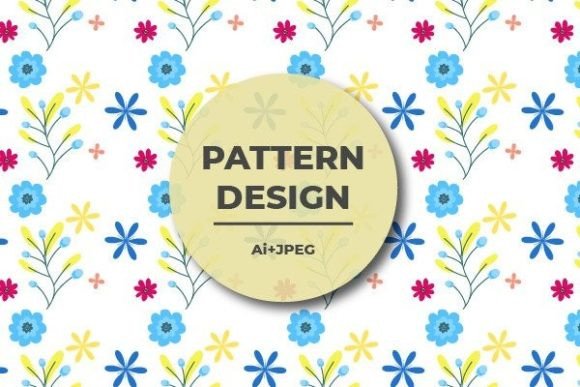
Evaluating the Practical Utility of a Floral Pattern Design Template
For creators working across both digital and physical media, the quest for high-quality, versatile design assets is constant. A Floral Pattern Design Template represents a specific type of resource designed to streamline this process. Unlike a single static image, a comprehensive template bundle provides the core building blocks for generating beautiful, consistent patterns. This article examines the practical value of such a template, focusing on its characteristics as a tool for professionals and serious hobbyists.
Core Characteristics and Purpose
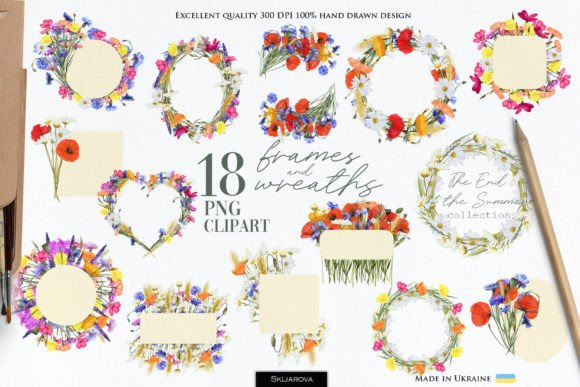
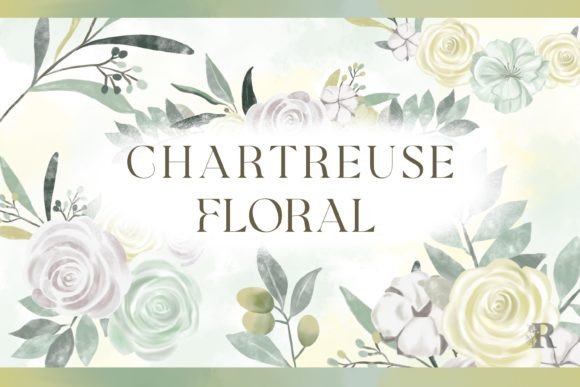
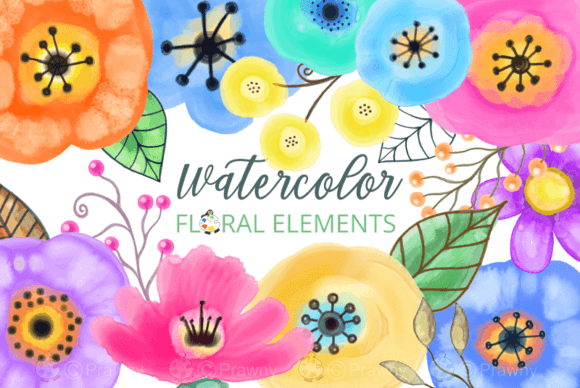
A functional Floral Pattern Design Template is typically a digital package containing layered, editable source files alongside high-resolution output formats. The key characteristic is its adaptability. The inclusion of EPS and SVG vector files means the pattern's scale, color, and individual elements can be modified without loss of quality, which is fundamental for professional applications. The bundled PDF and high-DPI JPG files serve as reliable, ready-to-use outputs for quick printing or digital placement.
The primary purpose of this resource is efficiency and consistency. Creating a cohesive, repeatable floral pattern from scratch requires significant time and design skill. A well-made template provides a proven starting point, allowing the user to focus on application rather than foundational design mechanics. Its strength lies not in being a finished product, but in being a fully editable component that integrates into a broader creative workflow.
Performance in Real-World Applications
The theoretical value of a design asset is best judged by its performance in common scenarios. For a Floral Pattern Design Template, this performance hinges on format suitability and resolution integrity.
Consider a small business owner producing a limited run of branded packaging. Using the editable vector files (EPS/SVG), they can match the pattern colors exactly to their brand palette and scale the design for different box sizes without pixelation. The 300 DPI JPGs provided are simultaneously suitable for incorporating into digital mockups presented to clients. Similarly, an educator creating classroom materials can use the PDFs to print at-home worksheets or decorations reliably, leveraging the "print at home as much as you want" aspect for cost-effective production.
The mention of applications like papercraft, scrapbooking, decoupage, and planner decoration points to a template designed for tactile output. The 4200 x 2800 JPG file ensures that even when printing large sections for a nursery art project or decoupage on furniture, the pattern detail remains sharp. This multifunctionality—from digital blog graphics to physical sticker production—indicates a template engineered for cross-media use, a significant practical advantage.
Quality and Usability Considerations
Quality in such a template is defined by technical execution and artistic coherence. The pattern itself should demonstrate a balanced composition where floral elements repeat seamlessly. Technically, the vector files must be cleanly layered, allowing for easy isolation of elements. The provision of multiple file types speaks to thoughtful usability, accommodating users with different software proficiencies—from Adobe Illustrator for the vectors to simple image viewers for the JPGs.
Usability is further enhanced by the template's inherent flexibility. A blogger can extract a single floral motif from the SVG file to create a recurring branding element across posts. A freelance graphic designer can incorporate the editable pattern into a client's card series, modifying it for wedding invitations, thank-you cards, and anniversary notes while maintaining a visual family resemblance. This consistency generates reliability for the creator's output and long-term value from a single asset purchase.
Who Benefits Most from This Resource
The utility of a Floral Pattern Design Template is not universal; it fits specific user profiles and project needs most effectively.
- Small Business Owners & Entrepreneurs in niches like stationery, handmade gifts, or light home decor. The template offers a cost-effective way to produce patterned designs for products without ongoing design fees.
- Content Creators & Bloggers needing to generate a steady stream of branded visual content for digital platforms and potential physical merchandise.
- Craft Professionals & Serious Hobbyists engaged in scrapbooking, papercraft, or decoupage where high-quality, unique patterns are required in volume, and the ability to print on-demand is crucial.
- Freelancers & Marketers who require adaptable visual assets for client projects across multiple mediums, from print campaigns to digital social media decorations.
In contrast, a user seeking a one-off, non-editable image for a single project might find the template's breadth of formats unnecessary. Similarly, a large-scale commercial manufacturer would likely require custom-designed patterns tailored to specific production processes. The template's sweet spot is the individual or small operation that needs professional-quality, repeatable design elements with full control over adaptation and output.
Practical Recommendations and Observations
Integrating a template like this into a workflow requires some preliminary steps. First, assess the software you have available. To exploit the core value of the fully editable features, you will need vector editing software compatible with EPS or SVG files. If your work is primarily based on ready-to-use images, the high-resolution JPGs will be your main resource.
Second, conduct a test print. Use the provided JPG files to print a sample at your intended size and on your intended paper or material. This verifies the resolution quality and color output on your specific equipment, ensuring it meets the demands of physical projects like papercraft or sticker creation.
A potential limitation to note is design specificity. While editable, the template presents a pre-defined floral style. If your brand or project requires a radically different botanical aesthetic—such as stark minimalist line art versus lush, romantic florals—the template may require extensive reworking that outweighs its initial convenience. Its effectiveness is highest when its inherent style aligns closely with your ongoing needs.
Ultimately, the decision to utilize a Floral Pattern Design Template hinges on your need for a scalable, adaptable design foundation. For those whose work consistently involves applying patterned art across diverse outputs, the investment in a multi-format, editable bundle can consolidate resources, ensure visual consistency, and save considerable time. It transforms a single purchase into a persistent, adaptable tool for both digital and physical creation.