Watercolor Floral Design Elements: Practical Assets for Creators
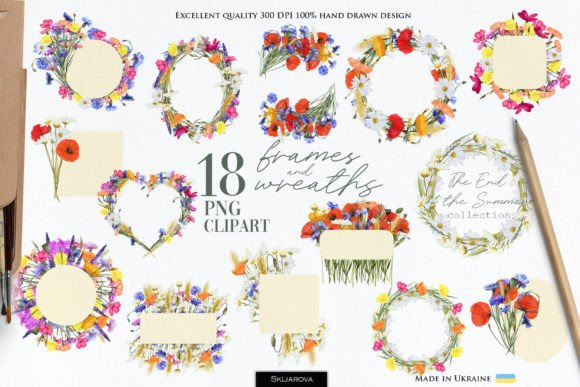
In the realm of digital design, the quest for authentic and versatile visual elements is constant. Among the many options available, hand-painted watercolor floral design elements stand out for their unique blend of artistic charm and practical utility. This specific collection, comprising 39 individual floral illustrations, represents a focused resource tailored for a wide spectrum of creative projects. Understanding its characteristics and potential applications is key for any professional or hobbyist looking to enhance their work with natural, painterly aesthetics.
Core Characteristics and Technical Specifications
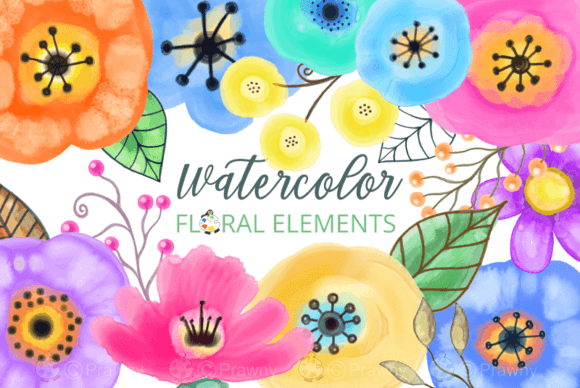
The foundational value of any digital asset lies in its technical execution and the artistic intent behind it. This set of watercolor floral design elements is defined by several concrete attributes. Each element is provided as a transparent PNG file, a format that eliminates the need for complex background removal and allows for seamless layering over other graphics, textures, or photographs. The resolution of 300 DPI ensures clarity and detail integrity, suitable for both digital displays and higher-resolution print outputs. With sizes ranging between 2000 to 3500 pixels on the longest side, the elements offer considerable scale flexibility, from use as large focal points to smaller, repeated decorative motifs.
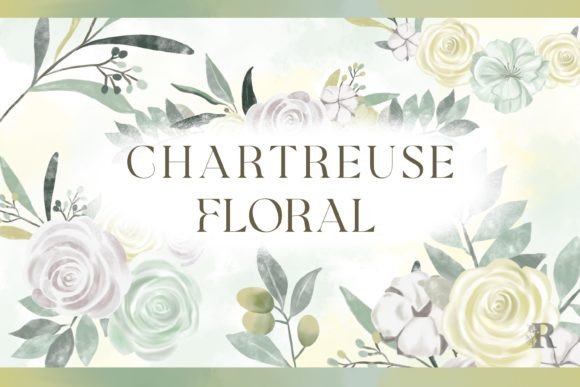
The artistic method is described as utilizing digital watercolor effects to emulate a hand-painted quality. This approach typically results in soft edges, gentle color blends, and subtle texture variations that mimic traditional watercolor washes on paper. The theme explicitly centers on flowers, nature, spring, and garden-inspired visuals, with nods to farmhouse, country, and wild stylistic sensibilities. This thematic cohesion means the elements work together harmoniously, providing a consistent visual language for a project.
Practical Value in Design Workflows
The primary strength of these watercolor floral design elements is their role as decorative enhancements. They are not complete, standalone illustrations for narratives but rather components meant to add beauty, accent, and thematic reinforcement. For a marketer creating social media banners for a spring product launch, a single elegant bloom can frame text or fill negative space with organic warmth. A blogger designing a newsletter header for a gardening column can scatter a few smaller florals to establish tone instantly. Educators preparing nature-themed learning materials can use these elements as borders or background patterns to make content more visually engaging for students.
The flexibility is notable. Because of the transparent background and generous pixel dimensions, a user can resize, recolor (with careful adjustment to maintain the watercolor look), and composite these elements without losing essential quality. This makes them adaptable across mediums: web graphics, printed invitations, presentation slides, product packaging mock-ups, and even physical craft projects like digital scrapbooking. Their "pretty" aesthetic, as noted in the description, targets an emotional response—one of freshness, gentleness, and natural beauty—which aligns well with brands or projects aiming for an approachable, authentic, and sophisticated image.
Evaluating Quality and Usability
From a professional standpoint, assessing such a collection involves considering consistency, reliability, and long-term value. A set of 39 elements provides a substantial library without being overwhelming. It suggests variety—likely different flower types, clusters, leaves, or perhaps isolated petals—which helps prevent repetitive overuse in a single project. The stated size variation is practical; having some elements larger and others smaller creates a natural hierarchy for design layouts.
The use of digital effects to achieve the watercolor look is a common and effective technique. The key quality indicator will be the subtlety of the effect: do the digital brushes and color transitions avoid a flat, generic "filter" appearance? High-quality emulations retain irregular edges, pigment saturation spots, and the faint texture of paper, lending credibility. For the intended audience of discerning creators, this authenticity is crucial. The assets should feel like a helpful tool, not a stylistic shortcut that could undermine a project's perceived effort and value.
Usability is high due to the PNG format. They can be imported directly into most software—from Adobe Creative Suite to Canva, Affinity Designer, or even word processors—and placed with minimal technical friction. This ease of integration supports efficient workflows, especially for freelancers or small business owners operating under time constraints.
Audience Fit and Project Alignment
Identifying who benefits most clarifies the resource's niche. Professionals in marketing and branding, particularly those working with lifestyle, wellness, floral, botanical, organic, or rustic sectors, will find immediate application. Entrepreneurs launching products in these spaces can use the elements to create cohesive visual identities across labels, websites, and promotional materials. Content creators, bloggers, and publishers focusing on related topics can elevate their site design and graphic content.
Serious hobbyists, such as those designing custom invitations for events or creating digital art for sale, gain access to professional-grade assets without needing the skill or time to paint each floral element manually. Educators and trainers in art or environmental subjects can incorporate them into instructional materials. The limitation, however, is thematic specificity. These watercolor floral design elements are not abstract or geometric; their application is inherently tied to projects where a natural, floral, and soft aesthetic is appropriate. For a tech startup or a corporate financial report, they would likely be unsuitable. The value is contextual.
Real-World Performance and Considerations
In practice, such a set performs as a versatile component library. A realistic example: a small business owner running a countryside cafe uses a cluster of watercolor florals as a repeating border on their seasonal menu PDF, another as a watermark on their Instagram story highlights, and a larger, isolated rose as the central graphic on a "Mother's Day Brunch" poster. This multi-use across different collateral demonstrates the set's economy and consistency in building brand recognition.
Potential limitations to consider are inherent to pre-made design elements. Over-reliance on a single set without custom modification can lead to a look that becomes recognizable as a "common resource," especially if the set gains popularity. To mitigate this, proficient designers often combine elements from different sources, add their own textural overlays, or integrate them with original photography to create a more unique composite. Another consideration is color palette: while digital watercolor effects often use pleasing, natural hues, the color range within the set might be fixed. Users needing specific brand color matching may need to undertake skillful color adjustment to align the elements without degrading the watercolor simulation.
Ultimately, this collection of watercolor floral design elements represents a solid, practical investment for creators whose visual needs align with its thematic core. Its technical specifications support professional use, its artistic style offers a current and enduring aesthetic, and its breadth of 39 elements provides enough variety for sustained projects. By understanding its role as a decorative enhancement tool rather than a complete illustration solution, users can strategically integrate these hand-painted florals to add organic beauty and artistic credibility to their work, saving valuable time while maintaining a high standard of visual presentation.